
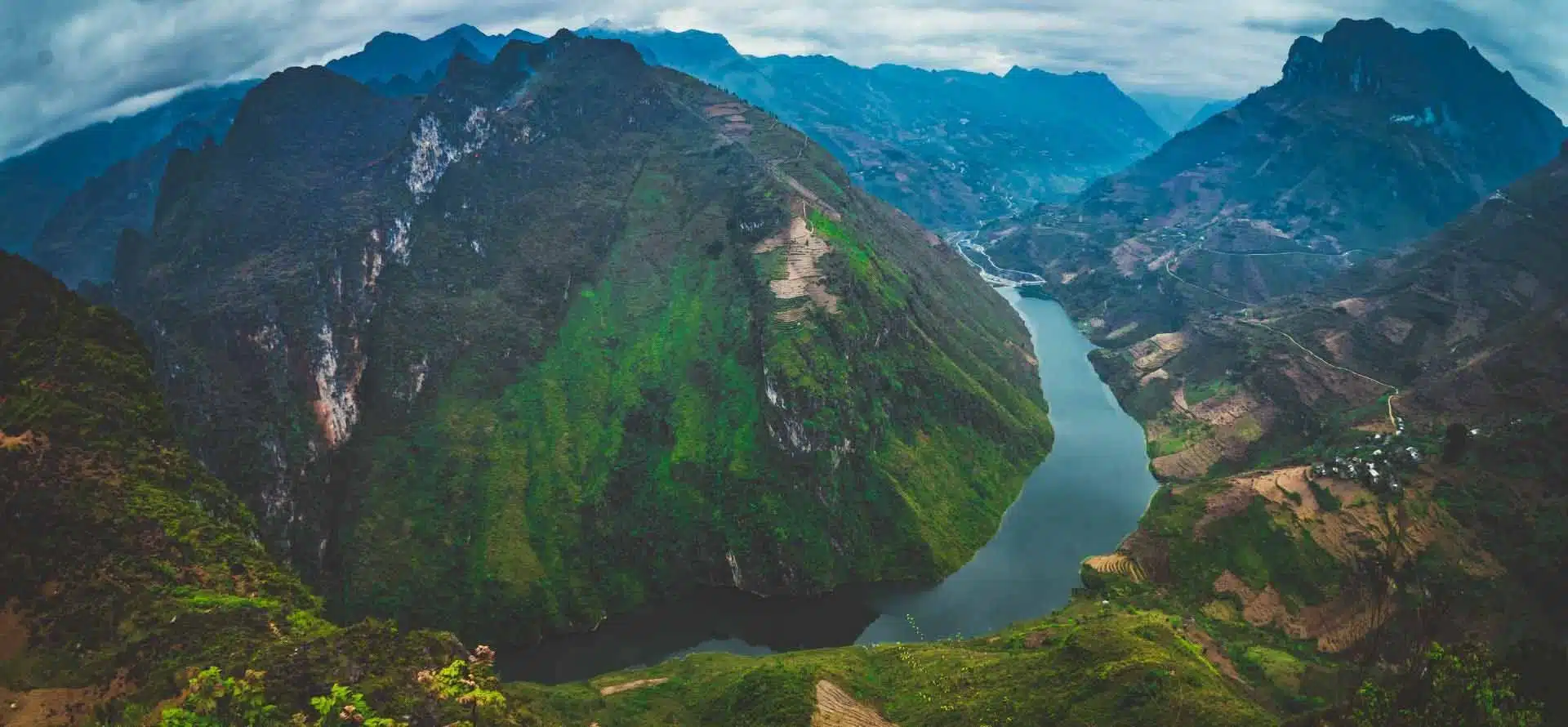
1. Where is Ha Giang?
Ha Giang is a mountainous province, located at the northern tip of Vietnam, about 300 km north of Hanoi capital. With geographical location:
- The East borders Cao Bang province.
- The West borders Lao Cai province.
- The South borders Tuyen Quang province and Yen Bai province.
- The North borders Yunnan province and Guangxi autonomous region of China.
2. How is Ha Giang unique?
Located in the high mountainous region of Northern Vietnam. Ha Giang is a majestic mountain complex with rugged terrain, with an average altitude of 800m to 1,200m above sea level. This is an area with many high mountains. According to statistics, the Ha Giang strip of land is less than 8,000 km2 wide. There are 49 mountains ranging from 500 m – 2,500 m high. However, Ha Giang’s terrain can basically be divided into the following 3 regions:
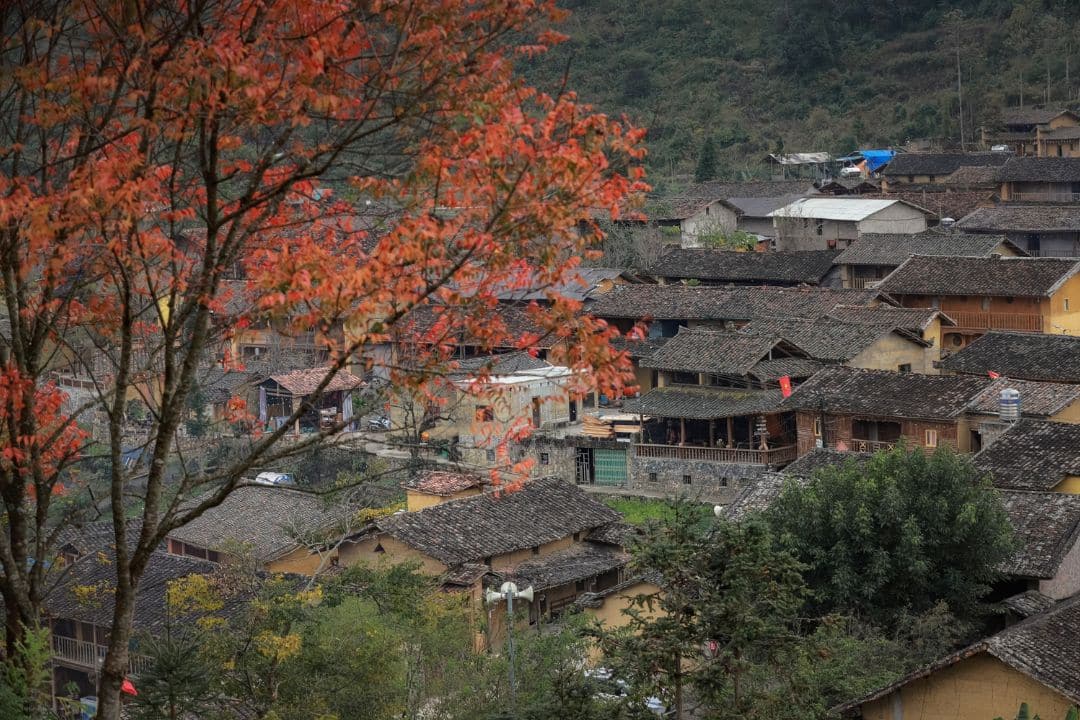
- The northern highland is also known as Dong Van karst plateau. Including districts: Quan Ba, Yen Minh, Dong Van, Meo Vac, with 90% of the area being limestone mountains, typical of Karst terrain. This place has sharp rocky mountains, deep and narrow ravines, and many steep cliffs. On October 3, 2010, Dong Van Karst Plateau joined the global Geopark network with the name: Dong Van Karst Plateau Global Geopark.
- The western highlands include Hoang Su Phi and Xin Man districts. It’s part of the Bac Ha plateau, often called the Chay River lift dome, with altitudes from 1,000m to over 2,000m. The terrain here is popular in the form of domes or half-domes, pears, and saddles, alternating with steep terrain, sometimes sharp or jagged, steep, strongly dissected, and many folds.
- The low mountainous area includes the remaining districts and towns, extending from Bac Me, Ha Giang city, through Vi Xuyen to Bac Quang. This area has strips of old forests interspersed with relatively flat valleys located along rivers and streams.
Is it worth visiting Ha Giang?
With an area of nearly 8,000 km2, Ha Giang is blessed by nature with a complex of forests – mountains – rivers, and a rich and diverse ecosystem. This land always makes tourists from far away fascinated with majestic places. Such as Ma Pi Leng peak, Quan Ba twin mountains, Tu San canyon,… as well as many long-standing historical and cultural relics, such as the old town of Dong Van, ethnic villages with unique indigenous culture.
Not only is nature blessed with many world-recognized landscapes. Ha Giang is also home to long-standing historical relics as well as the unique cultural beauty of 22 ethnic groups in the northern highlands of Vietnam. Male. All have created an attractive attraction that makes tourists constantly seek Ha Giang travel experiences to fully conquer this beautiful mountainous region.
3. When is the best time to visit Ha Giang?
Each season, Ha Giang’s scenery has its own beauty, so you can travel to Ha Giang at any time of the year.
However, according to Ha Giang travel experience, the most ideal time to travel to Ha Giang is from September to around April of the following year. Because this is not only the season of ripe rice and blooming flowers, but also the time of spring festivals of mountain people. Take note of the times when Ha Giang is most brilliant so you don’t miss the opportunity to fully experience the beauty of this highland region.
For a detailed breakdown of weather, festivals, and scenery by month, see our full guide on When is the Best Time to Travel to Ha Giang.
4. How to get to Ha Giang?
4.1 From Hanoi to Ha Giang city
For tourists from far away, when traveling to Ha Giang, you need to go to Hanoi first. Because, this is a traffic hub, a transit place to other places. Moreover, from here you can travel to Ha Giang by many different means.
Traveling by motorbike
The road from Hanoi to Ha Giang by motorbike takes about 6-7 hours and has 2 routes:
- Route 1 via Vinh Phuc: From Hanoi, depart in the direction of Nhat Tan bridge, across Vo Chi Cong – Vinh Ngoc street. Drive 15km on Vo Nguyen Giap Street, then turn right onto National Highway 2A. Continue along the national highway to Vinh Yen city (Vinh Phuc province), turn left onto national highway 2C. From here, go towards Tuyen Quang city to reach Viet Quang town (Ha Giang province).
- Route 2 via Phu Tho: This arc is about 7 km longer than the previous one but a little easier to go. From Hanoi, depart to Thang Long Avenue. After 27km, turn onto Highway 21. Continue going 20km and turn onto Highway 32. Go along the highway towards Trung Ha bridge, go through Phu Tho province to Highway 2C. From this section onwards, it is like route 1, heading towards Tuyen Quang city, passing Viet Quang town to reach Ha Giang.
No matter which direction you choose, in general the road to Ha Giang is quite winding and dangerous. So make sure you have a steady hand at the wheel and have experience driving on long roads or mountain roads to make your trip to Ha Giang safe.
Traveling by car
- Traveling by coach: You can easily catch a bus at My Dinh bus station, there are many reputable bus companies with quite flexible departure times. To make the most of your time, you can choose a late bus to get some sleep before arriving at your destination.
Note: If you are from the South or Central region, you can book a pick-up service right at Noi Bai intersection (near Noi Bai airport) to save travel time. So you can find the best route via google map from here.
- Traveling by Limousine car: This is a high-quality passenger car, improved from a 16-seat car to a 9-seat car with luxurious interior. The advantage of this type of bus is that it picks up and drops off tourists at the right destination, although the ticket price is higher than a regular bus.
4.2 Means of transportation in Ha Giang
- Traveling by taxi: Choosing to take a taxi helps groups of friends or family travelers have a more flexible and proactive experience in terms of time and location. In addition, you can also ask the taxi driver to help you point out interesting places and local delicacies that few tourists know.
- Renting Motorcycles: Because Ha Giang has continuously steep terrain and many very narrow roads with sharp corners, motorbikes are the vehicle chosen by many tourists. Motorbike rental services in Ha Giang are very diverse, however to ensure safety when conquering this mountainous area, be careful to choose a new motorbike, registered for less than 2 years.
5. Sightseeings in Ha Giang
5.1. Lung Cu
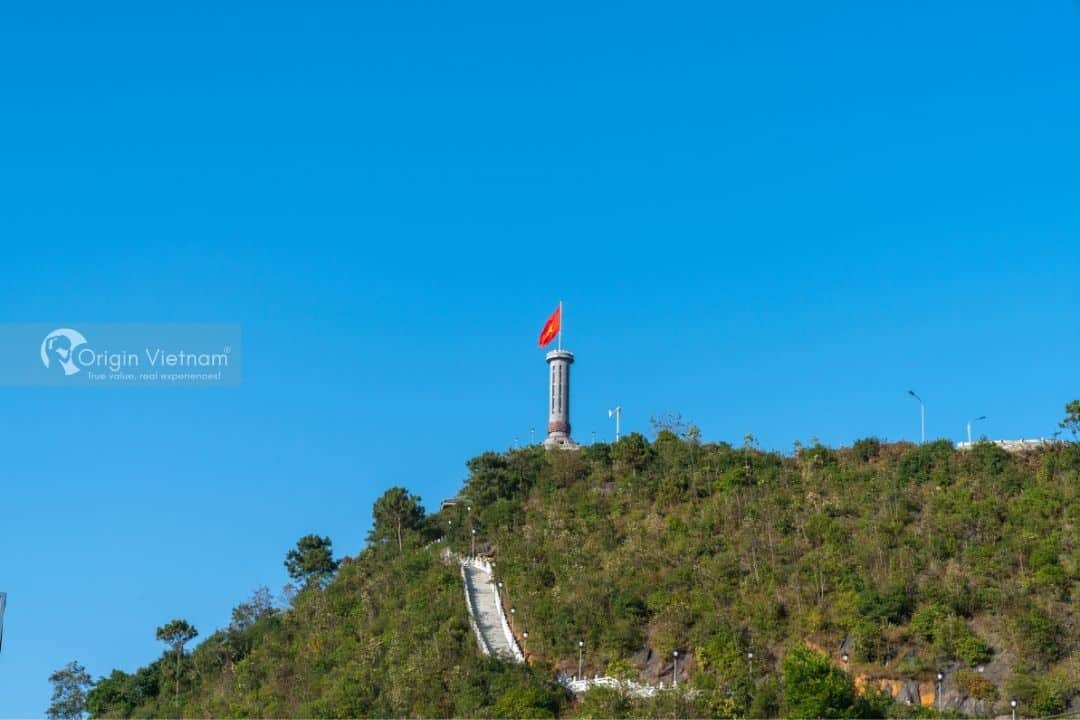
Lung Cu flagpole is known as the first place of the country, this is the most famous destination of Ha Giang. The flagpole is located on Lung Cu peak, 54m wide flag symbolizing 54 ethnic groups of Vietnam, standing at the foot of the flagpole and watching the flag is extremely proud for each person coming here.
5.2. Dong Van Old Street
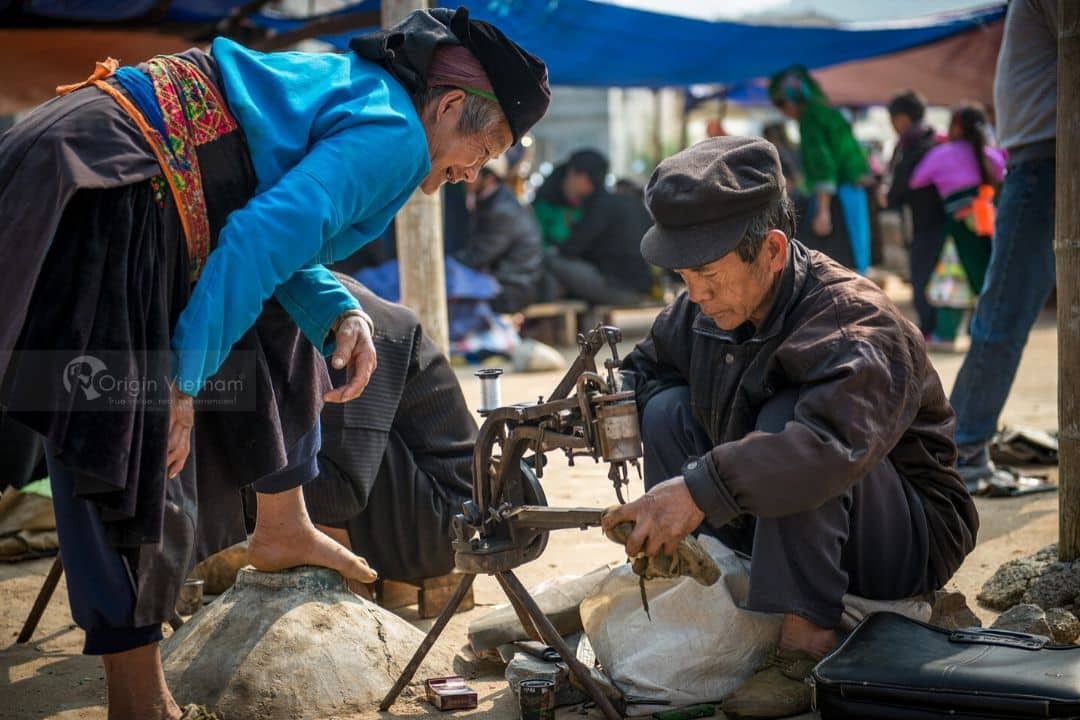
Located in the town of Dong Van, surrounded by mountains and forests, 40 ancient roofs interspersed with each other. Especially creating a wild picture that is hidden behind the dense fog of the mountains.
Established in the early 20th century. Dong Van ancient town was inhabited by Mong, Tay and Chinese families, after that, residents of other localities came to form a crowded population group.
This tourist spot is not only beautiful at the time. But also imbued with Chinese architecture, in the dreamy atmosphere of the Khen of the H’Mong man or the dance of a girl.
5.3. Ma Li Peng Pass and Nho Que River
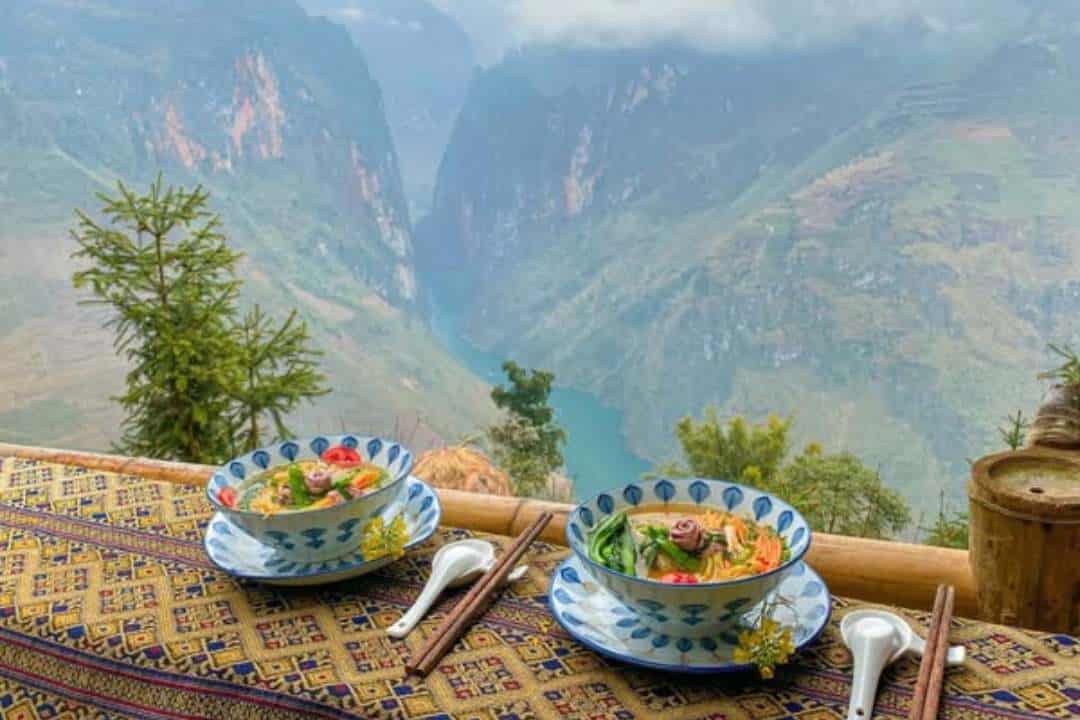
It is the name of the rugged pass road in Ha Giang, about 20 km long. It is located on Hanh Phuc road connecting Ha Giang city, Dong Van district and Meo Vac town. Ma Pi Leng calls in the Mandarin language to mean “the nose of a horse” literally, broadly depicting the danger of a mountain peak, where the slope is so high that the horse passes through the breath, or the top of the mountain stands as a live nose horse.
The road passes through the cliffs, surpassing Ma Pi Leng peak at a height of 2000 meters, at the foot of the deep valley of Nho Que river like a thin four-season green jade thread.
5.4. Hoang Su Phi
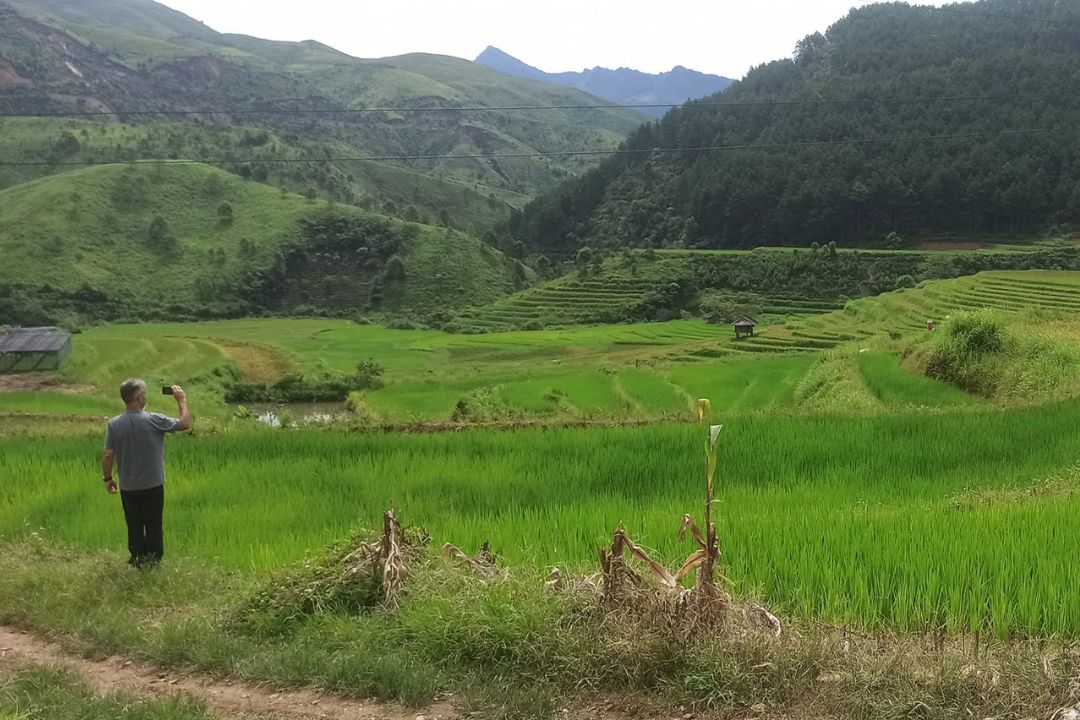
Hoang Su Phi is located about 50km from Ha Giang city. This is a highland border district that attracts many adventurous tourists because the road is quite dangerous. The terraced fields in Hoang Su Phi like pulling to the horizon, the season of ripe rice or the pouring water season all have its own beauty.
5.5. Dong Van Plateau
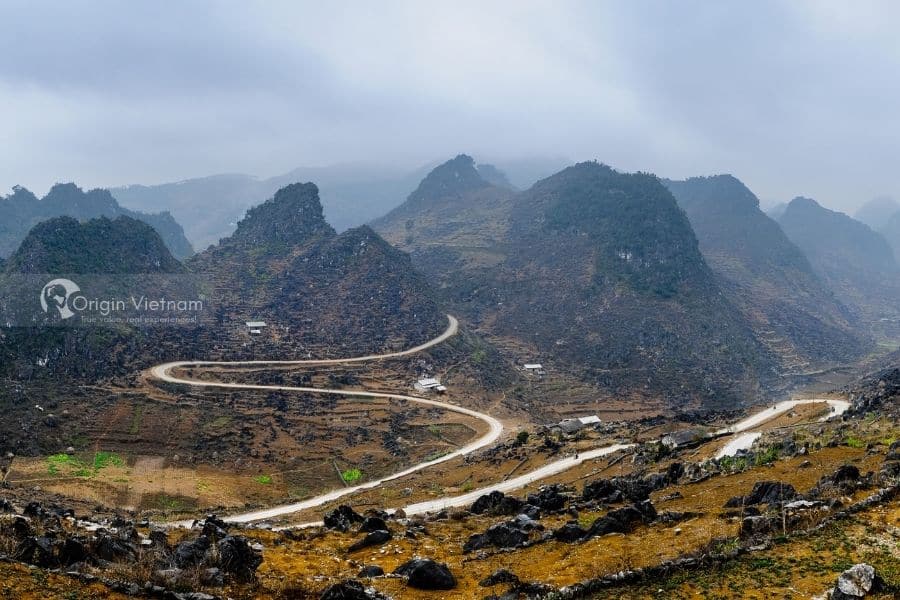
It is a rocky plateau area stretching across 4 districts of Ha Giang. This place has been recognized by UNESCO as a Global Geopark since 2010. Located at an altitude of 1000 – 1600m above sea level. Dong Van plateau has important significance in the development of the ancient Earth.
5.6 Tu San canyon
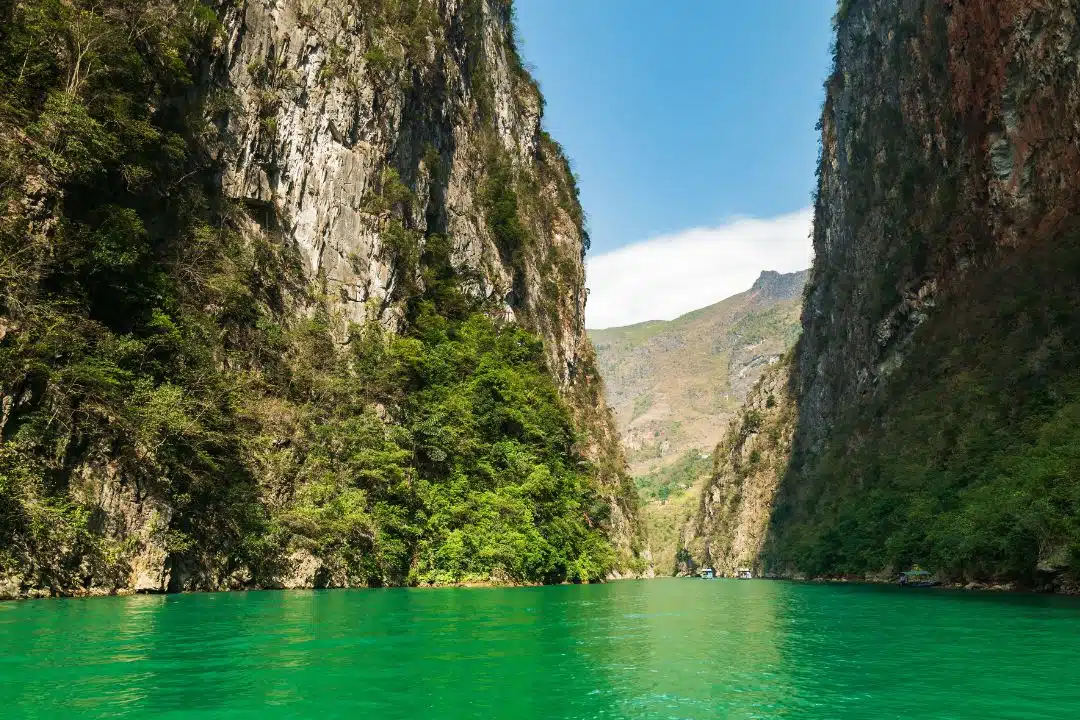
Referred to as “the most majestic landscape”, Tu San Canyon is a unique tourist destination and not to be missed every time you come to Ha Giang. The canyon has majestic beauty with impressive high cliffs, below is the winding blue Nho Que river, worthy of being called a masterpiece of creation. Coming to this place, visitors will be immersed in the natural scenery of Ha Giang, try new experiences or take home amazing “virtual life” photos.
See the full interactive map and detailed village guide in Ha Giang Map: Main Attractions & Villages Explained.
6. Experiences in Ha Giang’s upland unique markets
Markets in Ha Giang are much more than a venue for buying and selling products; they are the heart of the culture in the highlands of the North. Every market day is a museum that comes alive as the ethnic tribes congregate in their traditional costumes to sell their products.
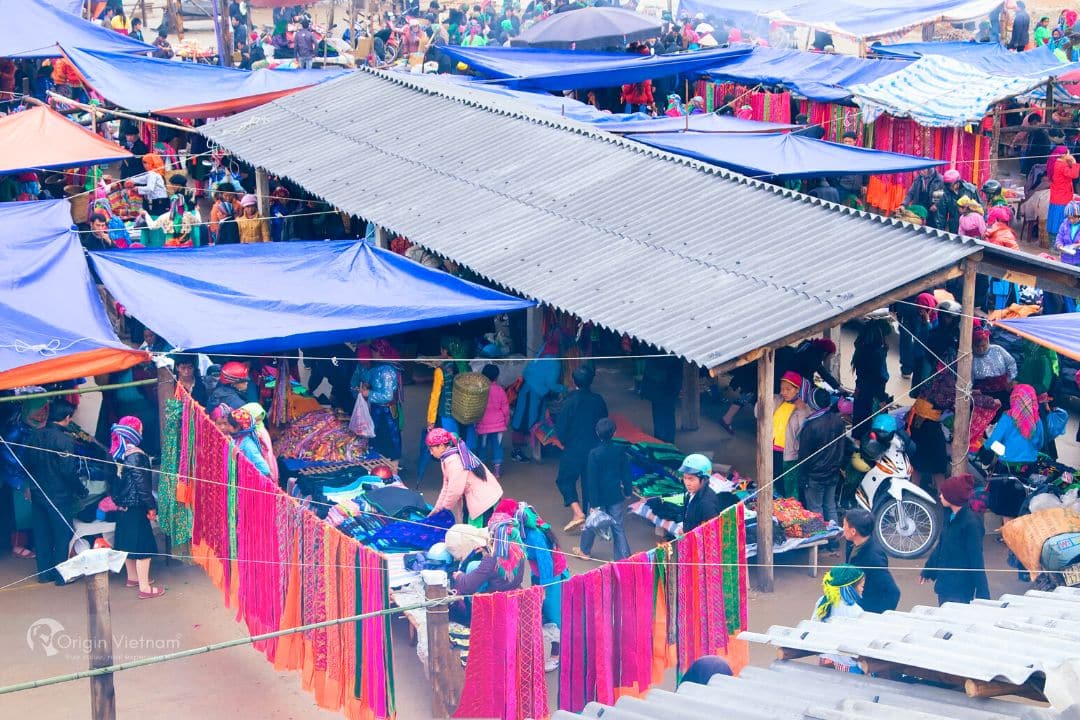
Unlike common marketplaces in urban areas, the Highland Markets in Ha Giang are intricately connected with geography and ethnicity. While some of these are weekly markets held on specific days of the week, others are based on the lunar calendar. Of these, the Khau Vai Love Market is a unique cultural phenomenon that celebrates love instead of any sort of commerce.
A visit to a market in Ha Giang provides a great opportunity to see real highland culture – from colorful brocade clothes and home-made tools to local cuisine and traditional beverages – all happening naturally and not staged for performance.
For a better insight into individual markets, schedules, and meanings, check out our comprehensive guide: Ha Giang Highland Markets Guide
7. Specialties when traveling to Ha Giang
Not only does it possess majestic and lyrical scenery, Ha Giang is also famous as a land of rich cuisine. Being endowed with precious raw materials and fuels, Ha Giang cuisine has become its own characteristic.
Ha Giang specialties therefore always “captivate” tourists from near and far. Because of the rich and diverse local culinary culture.
7.1 Au Tau porridge
With a strange-sounding name that makes many people wonder, this porridge dish is made from Au Tau – a typical tuber in the Northeast mountains. Considered a Ha Giang specialty, processed and seasoned properly by the people, it acts as a cold medicine.
7.2 Smoked buffalo meat
Kitchen buffalo meat is the traditional dish that makes up the brand of Ha Giang specialties. Stove buffalo meat has a strong Thai culinary style. This is not only a daily dish of people living in the northern highlands but also often appears in festivals or offerings and as gifts for distinguished guests.
7.3 Smoked sausage
People here often make sausages and put them on the stove to preserve the meat longer. The main ingredient of smoked sausage is unwrapped pork shoulder. The sausage filling is made from minced tenderloin, lean shoulder or lean rump, marinated with spices – sauteed finely chopped onions and mac khen seeds.
7.4 Grilled moss
Grilled moss is considered a specialty of the Tay people – an ethnic group with an extremely rich and diverse culinary culture. Because this is a special dish, preparing it deliciously also requires a certain knowledge and skill of local people.
7.5 Corn wine
It can be said that corn wine is a drink close to many people in the rocky plateau. Everyone here has at least 3 – 5 liters of wine in their homes to treat guests. This drink is loved because Ha Giang’s weather is quite cool in the summer and snow falls in the winter, so people have the habit of drinking wine to keep their bodies warm. The taste of corn wine is also very easy to drink, sweet and easy to drink and has the typical aroma of corn.
8. Accommodation when traveling to Ha Giang
When traveling to Ha Giang, visitors do not have to worry about where to stay overnight. Because Ha Giang is a very famous destination in Vietnam, the accommodation facilities here are extremely rich, diverse and evenly distributed in different tourist destinations. You can refer to some accommodation facilities below.
8.1 Hotels:
- Hoang Su Phi Lodge. Address: Nam Hong Village, Commune, Thong Nguyen, Hoang Su Phi, Ha Giang.
- Van Duy Hotel. Address: Group 3, Tam Son Town, Quan Ba, Ha Giang.
- Ong Vang Meo Vac Hotel. Address: Chung Pua Village, Meo Vac Town, Meo Vac, Ha Giang.
- Ha Giang Historic House. Address: 209 Minh Khai, Minh Khai Ward, Ha Giang City, Ha Giang.
- Hoang Ngoc Hotel. Address: Dong Van Town, Dong Van, Ha Giang.
8.2 Guesthouses:
- Thong Nguyen Guesthouse. Address: Thong Nguyen, Hoang Su Phi, Ha Giang.
- Green Hill Hostel. Address: No. 529A Nguyen Van Linh, Quang Trung Ward, Ha Giang City, Ha Giang.
- Ancient Town Guesthouse. Address: No. 29 Group 3, Dong Van Town, Dong Van, Ha Giang.
- Giac Xua Guesthouse. Address: House number 28, Group 1 Tran Phu Street, Meo Vac Town, Meo Vac, Ha Giang.
- Double Mountain Guesthouse. Address: Group 1, Tam Son Town, Quan Ba, Ha Giang.
8.3 Homestays:
- Ecolodge Panhou Village. Address: Thong Nguyen, Hoang Su Phi, Ha Giang.
- Dao Lodge. Address: Nam Dam village, Quan Ba commune, Quan Ba, Ha Giang.
- Ma Pi Leng homestay. Address: Ma Pi Leng Village, Pai Lung, Meo Vac, Ha Giang.
- Homestay Anh Mua. Address: Sung La, Dong Van, Ha Giang.
- Tay Homestay. Address: Tien Thang Village, Phuong Thien, Ha Giang City, Ha Giang.
9. Some necessary notes when traveling to Ha Giang
To have a complete adventure trekking tour in Ha Giang. You need to be prepared in every aspect. Especially prepare the following necessary items:
- Costumes: In addition to seasonal outfits. You should bring warm clothes, shoes, socks and gloves. Ha Giang’s weather at night will be low.
- Shoes: Ha Giang’s roads are very difficult to travel. You should bring shoes suitable for mountain travel. You should prepare 1-2 pairs to use during the trip.
- Cash: To be proactive in everything and in case of need. You should bring cash. About 50% of the cost of the trip. The rest you can put in your card and carry with you. When needed, you can withdraw at ATMs in cities and districts passing by.
- Medicine: The climate up here is very harsh. Therefore, to protect your health, you should bring some preventive medicine such as flu medicine, stomach ache medicine, diarrhea medicine, etc.
- Photography equipment: Ha Giang landscape is very beautiful. To save the most beautiful images here. You should prepare a camera, a selfie stick and a backup battery.
- According to Ha Giang travel experience, if you choose a motorbike to travel. You should not choose a suitcase, you should choose a backpack for easy carrying.
- In Ha Giang, there are many steep roads, so make sure your steering wheel is steady when traveling by motorbike.
Important safety notes for traveling in Ha Giang
- When renting a motorbike in Ha Giang, remember to carefully check the motorbike. You should choose a new motorbike with a registration period of at least 2 years. Also choose a motorbike with 2 rear view mirrors for easy observation.
- You should try to end the trip when it is still light. Because Ha Giang will have many dangerous roads and visibility may be limited when it gets dark.
Ha Giang is not a place one simply “visits” – it’s an experience, an immersion in landscapes, cultures, and feelings that linger long after the journey is over. Whatever draws one to Ha Giang – its mountain passes, ethnic markets, terraced fields, or isolated villages – planning can help one experience it at its best.
In order to discover this region in comfort and safety, and, in particular, for traveling around Ha Giang, many tourists opt for organized or private tours. You can discover carefully designed itineraries and travel styles on our Ha Giang tours page, tailored for different travel paces and interests.


